Almost every customer who calls us from Quetta about a gold detector asks the same first question: where is the gold in Balochistan? The answer matters more than which machine you buy. A top-end detector in the wrong place finds nothing.
Where Gold Is Found in Balochistan
Balochistan's known gold is concentrated in Chagai district, in the far northwest along the Afghan and Iranian borders. The Chagai hills are an old volcanic belt, and the gold there sits alongside copper in very large ore bodies:
- Reko Diq — one of the largest undeveloped copper-gold deposits in the world, being developed by Barrick with the federal and Balochistan governments. Production is expected to start around 2028.
- Saindak — a copper-gold mine that has been in production since the early 2000s.
- Tang Kore — a copper, gold and silver find announced in April 2025 by National Resources Limited (a Pakistani company).
Here is the part most videos leave out. The gold in these deposits is measured in fractions of a gram per tonne of rock. The first Tang Kore samples, for example, reported 0.09 to 0.14 grams of gold per tonne. That gold is microscopic and spread through the rock. No detector of any type, at any price, can find it. Mining companies recover it by crushing thousands of tonnes of ore and processing it chemically.
The Gold a Detector Can Find
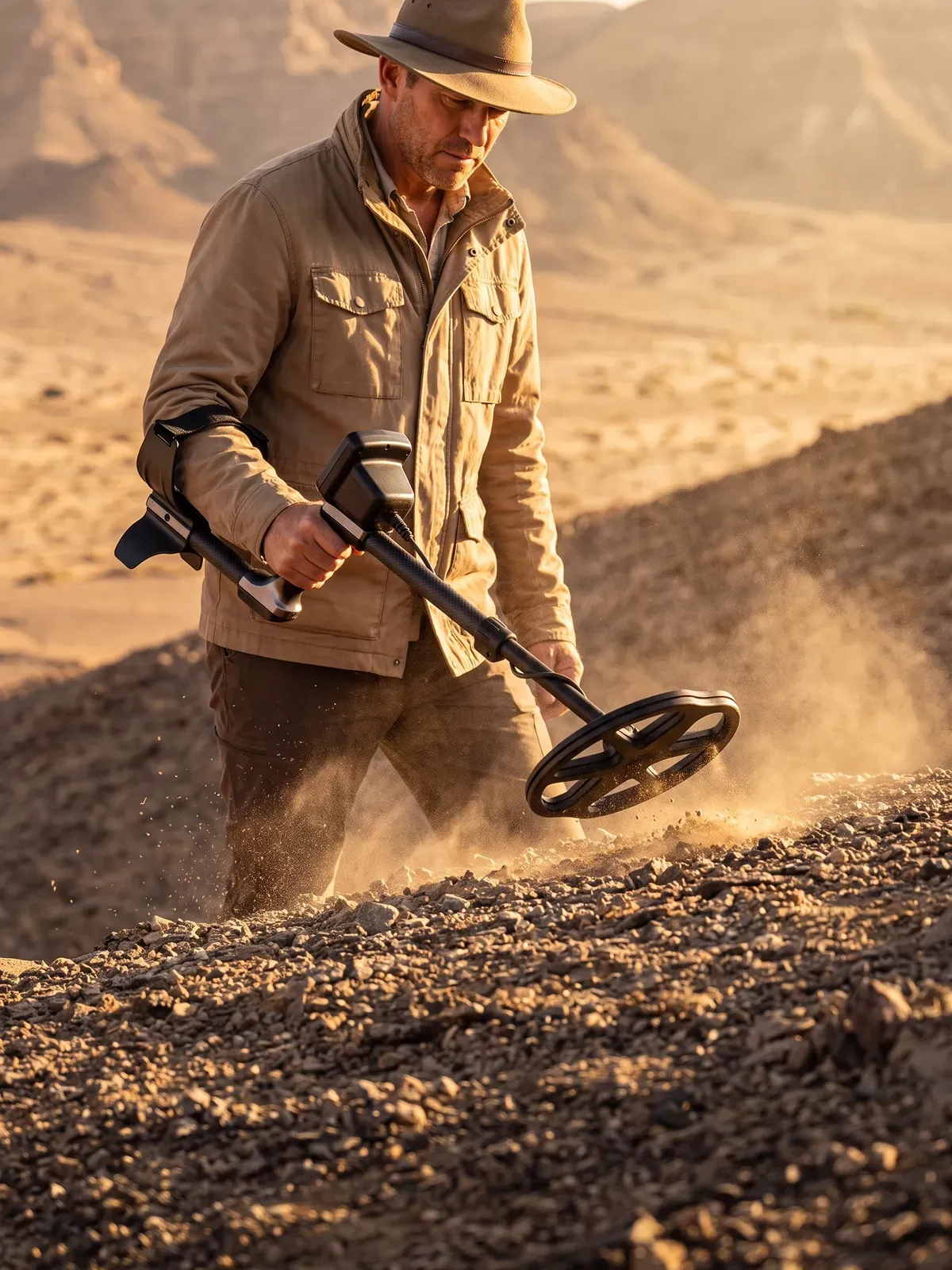
A detector finds individual pieces of gold — nuggets and flakes large enough to disturb its magnetic field. In gold-bearing country, weathering slowly frees gold from the rock, and water carries it into dry stream beds (nalas), gravel fans and the low points of old channels. That is where prospectors search: old stream gravels, the ground around quartz veins, and places where nuggets have been found before. The piece you're after is usually small, from under a gram to a few grams, which is why sensitivity to small gold matters more than headline depth.
The Best Gold Detector for Mineralised Soil
Gold country in Balochistan is hot, rocky and full of iron minerals, and that background "noise" hides small gold from a basic detector. We explain why in Reading the Ground. Two kinds of detector handle it well:
- Pulse induction (PI) and ZVT detectors — the most stable in heavily mineralised ground and the deepest on nuggets. These are the professional choice.
- High-frequency VLF gold detectors (45–61 kHz) — very sensitive to small gold, lighter and much cheaper. They work well in milder ground but lose depth where mineralisation is severe.
| Detector | Technology | Best for | Price in Quetta |
|---|---|---|---|
| Minelab GPZ 8000 | ZVT | Maximum depth on nuggets, severe ground | PKR 5,890,000 |
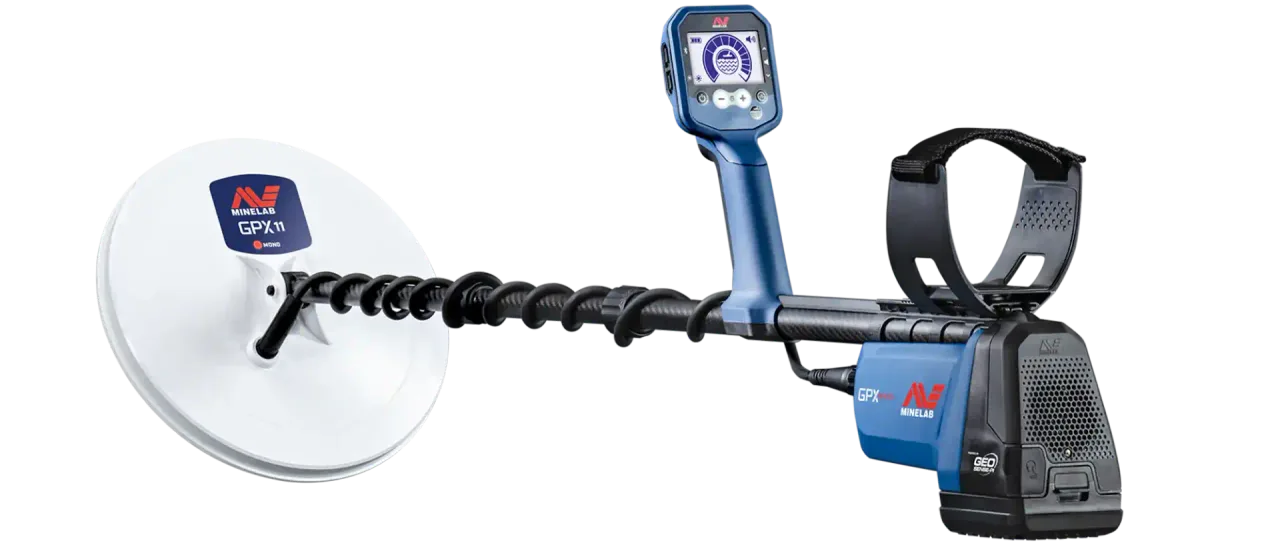
| Minelab GPX 6000 | Pulse induction | Small and medium nuggets, light for long days | PKR 3,795,000 |
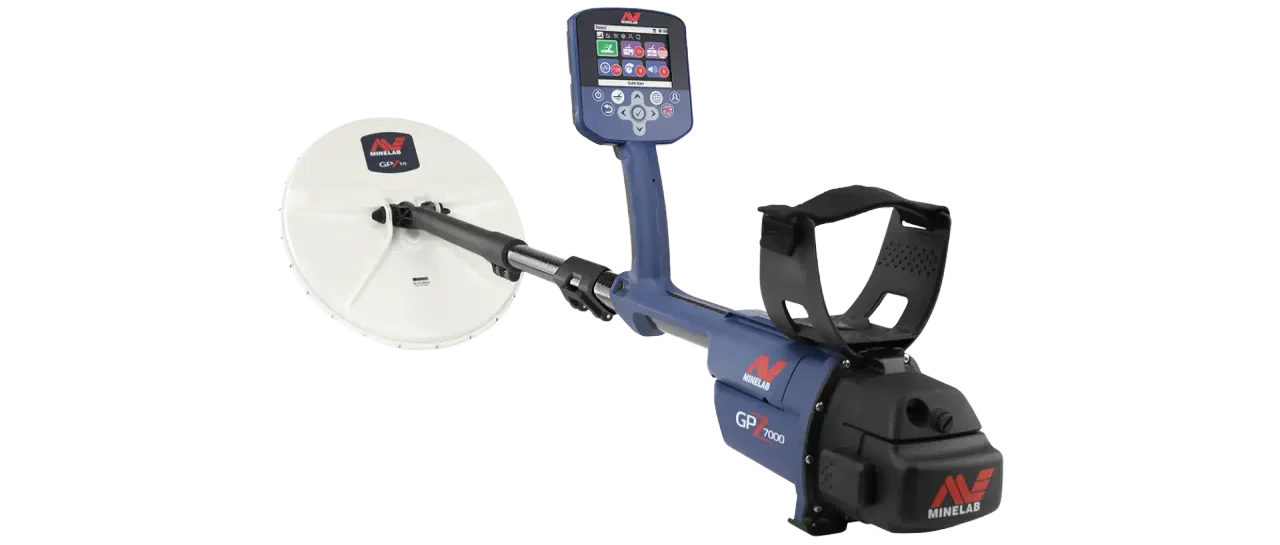
| Minelab GPZ 7000 | ZVT | Deep, larger nuggets | PKR 3,280,000 |
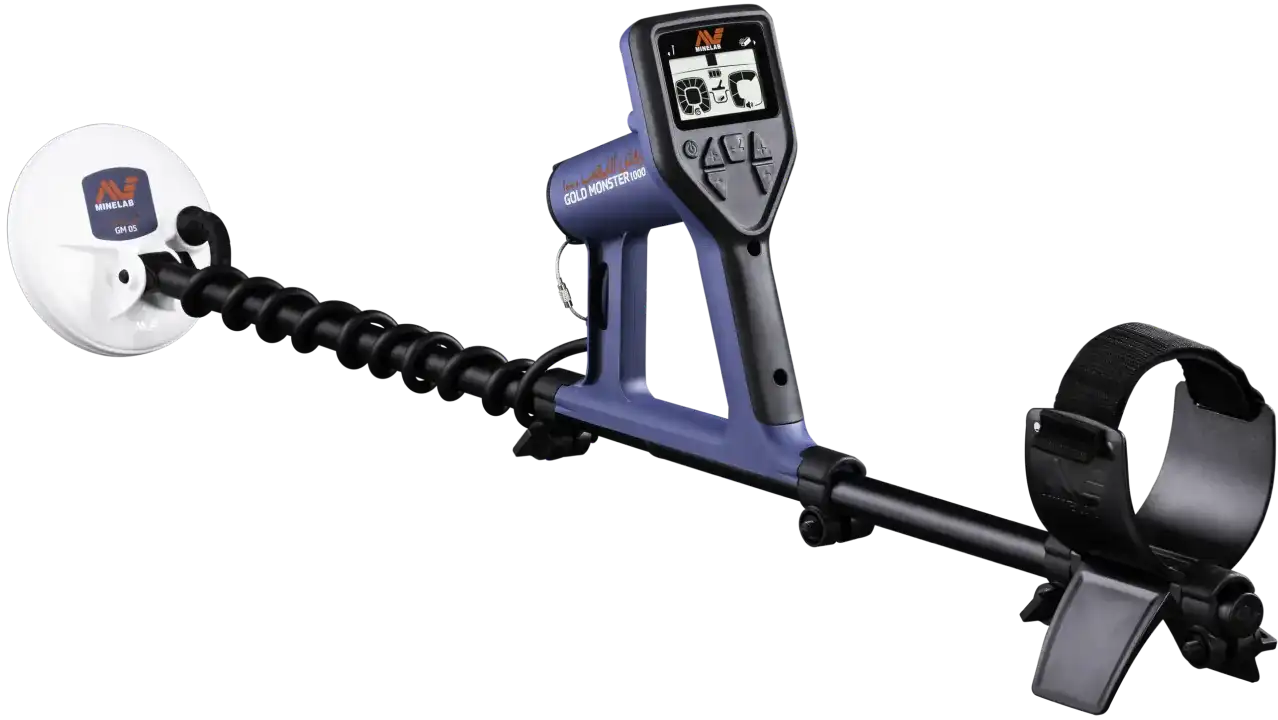
| Minelab Gold Monster 1000 | VLF, 45 kHz | Fully automatic, first serious gold machine | PKR 925,000 |
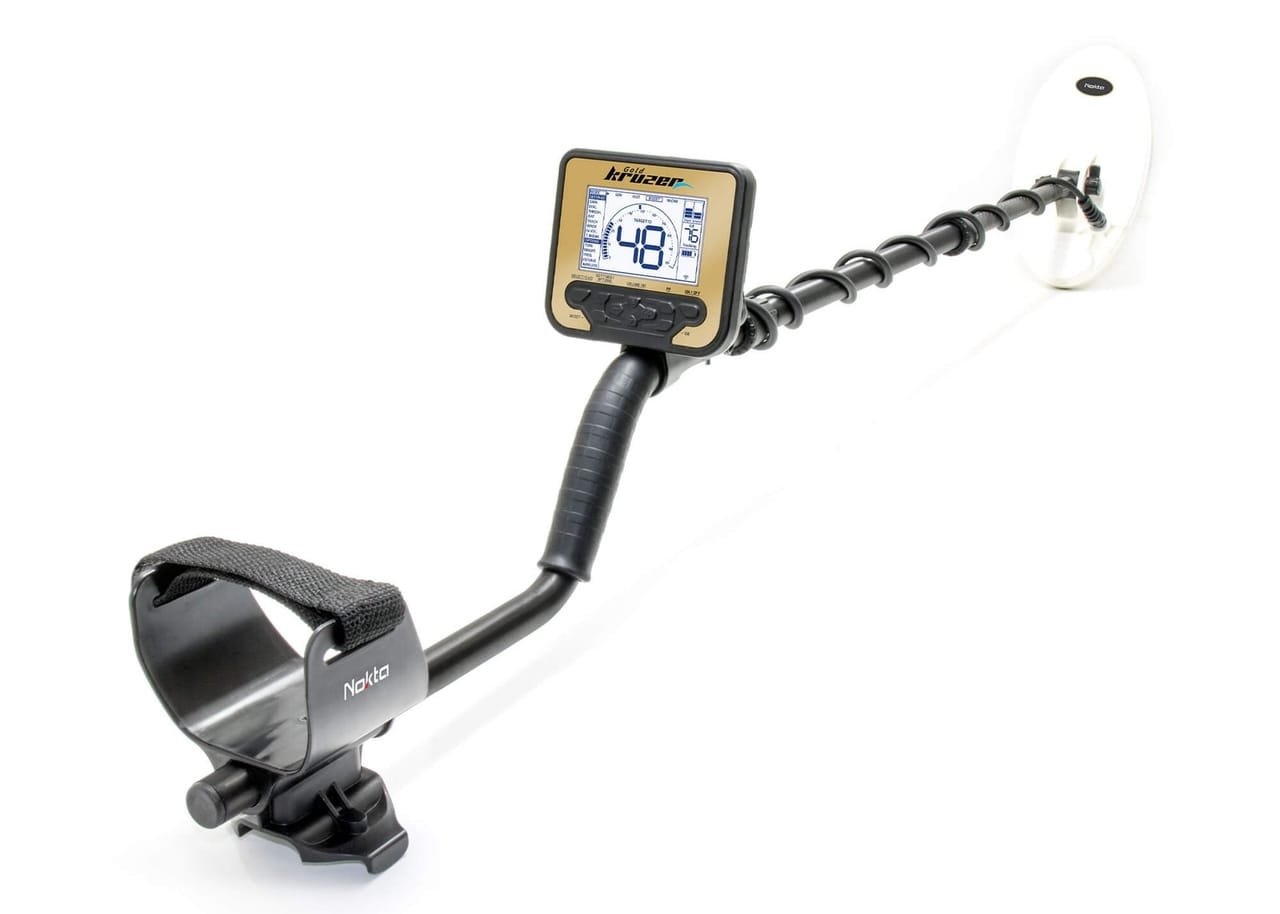
| Nokta Gold Kruzer | VLF, 61 kHz | Tiny gold on a budget, waterproof | PKR 295,000 |
| Nokta Gold Finder 2000 | VLF, 61 kHz | Lowest-cost way to start | PKR 169,580 |
Gold Nugget Detector Price in Quetta
An original gold nugget detector in Quetta costs from PKR 169,580 for the Nokta Gold Finder 2000 up to PKR 5,890,000 for the Minelab GPZ 8000. If you're torn between the two top Minelab machines, read our GPX 6000 vs GPZ 7000 comparison. If you're starting out, see the beginner's guide.
One thing we tell every customer: 3D ground scanners and long range locators are not nugget detectors. They are built for large objects and cavities, not a two-gram piece of gold in a stream bed. We explain the difference in Long Range Locators vs 3D Ground Scanners.
Frequently Asked Questions
Where is gold found in Balochistan?
Balochistan's known gold is in Chagai district, at large copper-gold deposits such as Reko Diq, Saindak and the 2025 Tang Kore find. That gold is microscopic and mined industrially. Detectable nuggets are found in stream gravels and around quartz veins in gold-bearing areas.
Which is the best gold detector for mineralised soil?
Pulse induction and ZVT detectors such as the Minelab GPX 6000, GPZ 7000 and GPZ 8000 are the most stable in heavily mineralised ground. High-frequency VLF machines like the Gold Monster 1000 and Nokta Gold Kruzer suit milder ground and smaller budgets.
What is the gold nugget detector price in Quetta?
From PKR 169,580 (Nokta Gold Finder 2000) up to PKR 5,890,000 (Minelab GPZ 8000). Every unit is original with manufacturer warranty.
Can a metal detector find the gold at Reko Diq?
No. The gold at Reko Diq and other large deposits is spread through the rock in fractions of a gram per tonne. Only industrial mining and processing can recover it.